Hidden Defects When Buying a Home
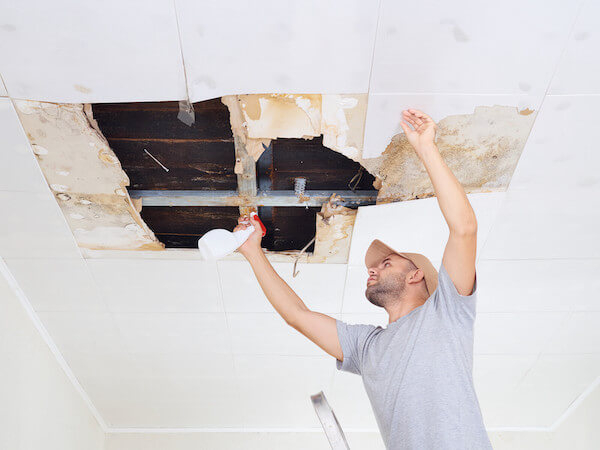
Hidden Defects When Buying a Home: What Are Your Rights and Obligations?
Buying a home is, for most people, the biggest financial decision of their lives. Nobody wants to be hit with unexpected costs after completion because of a defect that only comes to light afterwards. Hidden defects can cause significant financial setbacks, especially in the often older housing stock found in and around The Hague. In this article we explain exactly what hidden defects are, who is responsible for what, and how you, as a buyer, can limit this risk as much as possible.
What counts as a hidden defect in a house?
We speak of a hidden defect when a property has a shortcoming that could not have been seen or discovered during a normal, careful inspection, and which only comes to light after the purchase. Think of a hidden leak, a subsided foundation, rot within the structure, or asbestos that is not visibly incorporated into the home. It is important to distinguish this from visible defects: something that could have been noticed during a normal viewing does not count as a hidden defect and is usually the buyer's responsibility, because you buy a home in the condition you have seen and accepted it in.
Disclosure duty: what must the seller tell you?
As a seller, you have a disclosure duty. Any defects the seller actually knows about must be disclosed to a potential buyer during the sales process, even without being specifically asked. After the transfer of ownership, any defects are in principle the buyer's responsibility. There are exceptions, however: if it later turns out the seller knowingly concealed a defect, or a defect the seller knew or reasonably should have known about, the seller can still be held liable.
Investigation duty: what must you check yourself as a buyer?
Opposite the seller's disclosure duty stands your own investigation duty as a buyer. You buy an existing home in its current condition, including any defects you could reasonably have discovered. This is exactly why a structural survey before the purchase is so important: an independent surveyor maps out the condition of the foundation, roof, damp, electrics and any materials suspected of containing asbestos, so you are not caught out afterwards. The more thorough your research beforehand, the stronger your position if something does turn up that could not reasonably have been discovered.
The role of a buying agent in preventing hidden defects
As a buying agent in The Hague, Hekking guides buyers through their investigation duty. We advise on commissioning a structural survey, critically review structural survey reports, and watch for signs during viewings that may point to underlying problems, such as damp patches, cracking, or a musty smell that could indicate a leak. A buying agent is also personally liable for defects that should have been easy to spot with careful guidance, which adds an extra layer of security for you as a buyer.
Found a hidden defect? How much time do you have to report it?
If you discover a hidden defect after completion, report it to the seller as soon as possible. The longer you wait, the harder it becomes to prove the defect already existed before the purchase. In practice, a period of around two months after discovery is often considered a reasonable time frame for notifying the seller. If you do not yet know what the repair will cost, report the defect anyway and state that the investigation into the damage is still ongoing.
Structural survey or valuation report: what is the difference?
A structural survey and a valuation report (a "taxatierapport", the official Dutch appraisal report used for mortgage purposes) are often confused, but serve different purposes. A valuation report establishes the market value of the home for financing, while a structural survey specifically looks at the technical condition and possible defects. If a listing or an earlier valuation already mentions deferred maintenance, that is precisely a signal not to skip a structural survey.
Frequently asked questions about hidden defects when buying a home
What counts as a hidden defect when buying a home?
Hidden defects are shortcomings in a property that were not visible during a normal, careful inspection before the purchase and that only come to light after completion, such as a hidden leak or a subsided foundation.
Who is liable for hidden defects: the buyer or the seller?
In principle, the buyer is responsible for defects discovered after completion, because the home is purchased in its existing condition. The seller can only be held liable if it turns out they knew, or reasonably should have known, about the defect and failed to disclose it.
What is the difference between disclosure duty and investigation duty?
The disclosure duty requires the seller to report known defects. The investigation duty requires the buyer to research the condition of the home themselves, for example through a structural survey, before buying it.
How much time do I have to report a hidden defect to the seller?
A period of around two months after discovery is often considered a reasonable time frame in practice for informing the seller. Wait longer, and it becomes harder to prove the defect already existed before the purchase.
How can a buying agent help prevent hidden defects?
A buying agent guides you through your investigation duty: advising on a structural survey, critically reviewing survey reports, and recognising signs during viewings that may point to underlying problems.
Written by Dennis Hekking, Estate Agent and Registered Valuer at Hekking NVM Makelaars.
Want to be sure you are buying a home without surprises afterwards? Hekking is happy to guide you as a buying agent for your next purchase in The Hague. Considering selling instead and want to know what your home is worth? Request a free valuation.
Questions?
Please send us a message
 NL
 EN